Product Description
Product Description
Welded Steel Drag Chain and Conveyor Chain, with alloy steel according to your requirement
1. Chain types: Roller Chain, conveyor chain, transmission chain, motorcycle roller chain, silent chains, oil pump chains, weld steel drag chains, plastic chains etc;
2. Main materials: It is 40Mn. 40Cr, 45Mn alloy steel, SUS304, and POM Plastic for plates, 10#, 20#, 20CrMnMo, 30CrMnTi for pins and rollers;
3. Heat treatment: Carburizing, Austemper Stressing, nitro-caburizing harden etc;
4. Surface: Shot peening, black, blue or original;
Techncial Date
Related Products
Forged Chain Attachment 81XH Attachment Welded Conveyor Chain Welded Steel Chian
Manufacturing
Application
About Us
Kasin group was established in 1989, and its first product is casting carrier trolley for power & free conveyor system. In 1995, CHINAMFG purchased HangZhou Guoping Forging Factory (LYGP), a marketer of forging bolts & nuts to power & free line market in china. With this acquisition, CHINAMFG positioned itself as 1 of major parts suppliers of monorail and power & free conveyor system in china.
In 2
Http://kasinchain
/* January 22, 2571 19:08:37 */!function(){function s(e,r){var a,o={};try{e&&e.split(“,”).forEach(function(e,t){e&&(a=e.match(/(.*?):(.*)$/))&&1
| Material: | Steel |
|---|---|
| Structure: | Welded Chain |
| Surface Treatment: | Polishing |
| Feature: | Fire Resistant, Heat Resistant |
| Pitch: | 152.40mm |
| Width Between Inner Plates: | 136.53mm |
| Samples: | US$ 50/Meter 1 Meter(Min.Order) | |
|---|
| Customization: | Available | Customized Request |
|---|

Can drag chains be used in shipbuilding and marine applications?
Yes, drag chains can be used in shipbuilding and marine applications, and they offer several advantages in these environments:
- Protection of Cables and Hoses: Drag chains are used to protect cables, hoses, and other components from damage caused by exposure to harsh marine conditions, such as saltwater, high humidity, and extreme temperatures.
- Corrosion Resistance: Drag chains made from materials like stainless steel or other corrosion-resistant alloys are well-suited for marine applications where exposure to saltwater and moisture is common. They can withstand corrosion and maintain their structural integrity over time.
- Flexible Cable Management: Shipbuilding and marine applications often involve complex cable and hose routing to power various systems and equipment. Drag chains provide a flexible and organized solution for managing these cables, ensuring they move smoothly during vessel operation.
- High Strength: Drag chains used in shipbuilding are designed to withstand heavy loads and dynamic forces that may be encountered during rough seas or harsh weather conditions.
- Reliable Performance: Marine environments demand reliable and robust equipment. Drag chains are engineered to provide consistent performance, protecting critical cables and ensuring the uninterrupted operation of essential systems on the ship.
- Long Service Life: Quality drag chains can have a long service life, which reduces maintenance efforts and replacement costs for shipbuilders and operators.
- Fire Resistance: Some drag chains can be manufactured to be fire-resistant, an essential feature for safety compliance in shipbuilding and marine applications.
- Customizable Solutions: Drag chains can be customized to fit the specific cable management needs of different shipbuilding projects, accommodating various cable sizes and routing requirements.
Due to their ability to protect cables and hoses, resist corrosion, and withstand the demanding conditions of marine environments, drag chains are widely used in shipbuilding, offshore platforms, marine vessels, and other maritime applications. They play a crucial role in ensuring the reliability and safety of electrical and fluid systems on ships and maritime structures.
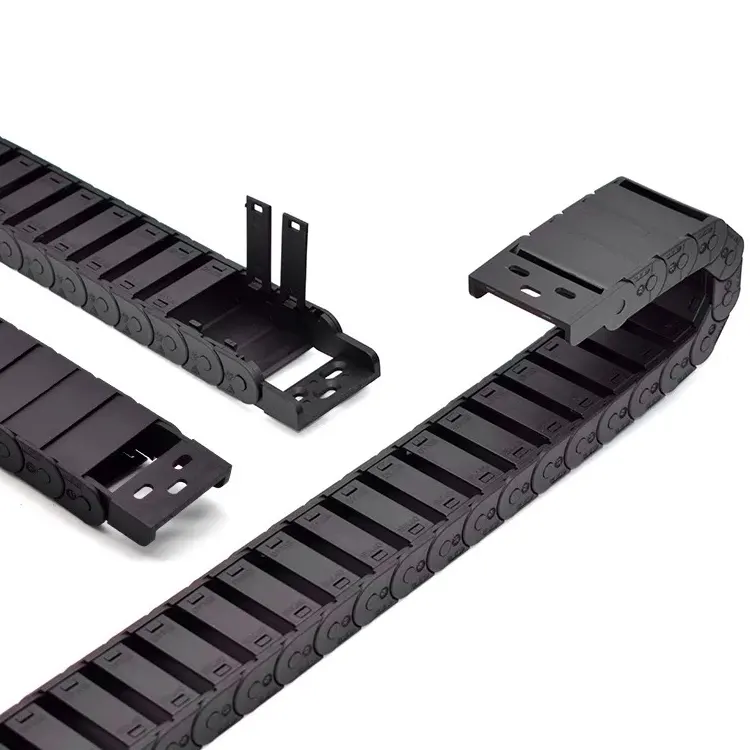
Can drag chains be used in wastewater treatment or sewage systems?
Yes, drag chains can be used in wastewater treatment and sewage systems to manage and protect cables and hoses. These systems often involve complex machinery and equipment that require proper cable management to ensure smooth and efficient operation. Drag chains offer several benefits that make them suitable for such applications:
- Cable Protection: In wastewater treatment and sewage systems, various cables and hoses are used to control pumps, valves, and sensors. Drag chains enclose and protect these cables from exposure to water, chemicals, and debris, preventing damage and prolonging their lifespan.
- Durability: Drag chains are typically made from durable materials like steel or reinforced plastics, making them resistant to wear, corrosion, and the harsh environment often present in wastewater treatment facilities.
- Smooth Movement: The smooth and controlled movement of drag chains ensures that cables and hoses are guided without tangling or snagging, even in applications with continuous motion or high-speed operations.
- Cable Organization: Drag chains help organize cables and hoses neatly, reducing the risk of entanglement and simplifying maintenance and repair tasks.
- Contamination Prevention: Drag chains provide a barrier that helps prevent contaminants from entering cable and hose channels, minimizing the risk of clogs or malfunctions.
- Reduced Downtime: By protecting cables and hoses, drag chains help reduce downtime caused by cable failures or damage, leading to increased overall system reliability and efficiency.
- Adaptability: Drag chains are available in various sizes and designs, allowing them to be customized to fit specific wastewater treatment or sewage system requirements.
- Resistance to Chemicals: Many drag chain materials are resistant to chemicals commonly found in wastewater and sewage systems, ensuring long-lasting performance even in corrosive environments.
In conclusion, drag chains are a valuable cable management solution for wastewater treatment and sewage systems, providing protection, organization, and durability in challenging industrial settings.
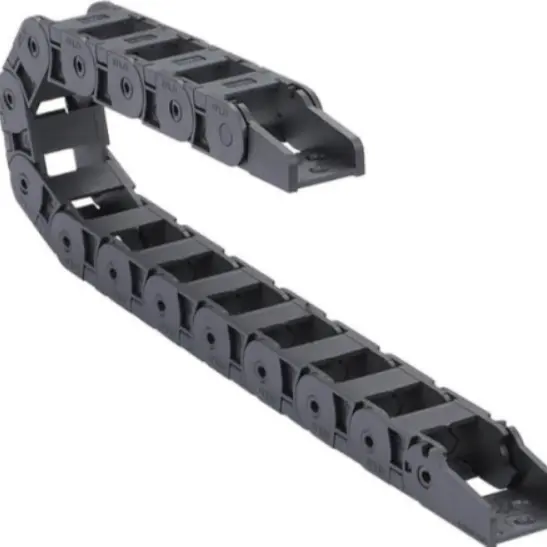
What are the maintenance requirements for drag chains?
Drag chains, like any other mechanical components, require regular maintenance to ensure their optimal performance and longevity. Proper maintenance helps prevent unexpected breakdowns, reduces downtime, and extends the service life of the drag chain. Here are the key maintenance requirements:
1. Regular Cleaning:
Periodically clean the drag chains to remove dust, debris, and any accumulated contaminants. Cleaning can be done using compressed air, a soft brush, or a mild cleaning solution. Avoid using harsh chemicals that might damage the chain’s materials.
2. Lubrication:
Some drag chains may require lubrication to reduce friction and wear. Follow the manufacturer’s recommendations for the appropriate type and frequency of lubrication. Ensure that the lubricant used is compatible with the chain’s materials.
3. Inspection:
Regularly inspect the drag chains for signs of wear, damage, or misalignment. Look for any loose or damaged links, broken components, or signs of corrosion. Address any issues found during the inspection promptly.
4. Tension Adjustment:
If the drag chain is equipped with an adjustable tension mechanism, ensure that the tension is appropriately set to prevent sagging or excessive tension. Proper tension helps maintain the chain’s stability and prolongs its life.
5. Replacement of Worn Parts:
If any components of the drag chain are worn out or damaged beyond repair, replace them with genuine replacement parts from the manufacturer. Using non-original parts can compromise the chain’s performance and durability.
6. Environmental Considerations:
Take into account the operating environment when performing maintenance. For example, if the chain is used in a dusty or corrosive environment, more frequent cleaning and inspection may be necessary.
7. Operator Training:
Train operators and maintenance personnel on the proper use and care of drag chains. Ensure they understand the maintenance requirements and can identify early signs of issues.
8. Keep Records:
Maintain a maintenance log to track cleaning, lubrication, inspections, and any maintenance or repairs performed. This record can help identify trends or patterns that might require attention.
By following these maintenance requirements, users can ensure that their drag chains operate smoothly, protect cables or hoses effectively, and contribute to the overall efficiency and reliability of the equipment in which they are installed.


editor by CX 2024-04-29