Product Description
Product Description
There are Double Pitch Transmission Chains with a Straight Plate.
The major material is SUS304, SUS310, and SUS316. They have the characteristics of high strength, high wear resistance, and long life.
HangZhou CZPT Machinery Chain Transmission Co., Ltd is a professional manufacturer of roller chains. There are 2 main categories: Stainless steel chain and carbon steel chain.
All the chain assembly technique indexes conform to the standards of ISO9001: 2008 and GB/T19001-2000idt.
We have established a nationwide sales network and the products have been sold to the countries and regions in Europe and America, Central and South Africa as well as South-east Asia, which are quite popular among customers.
Product Parameter
| Product Name | Welded Chains with Attachments |
| Standard | GB, ISO, ANSI, DIN |
| Pitch | 63.50~152.40mm |
| Material | Carbon steel, Alloy, Stainless Steel |
| Surface Treatment | Heat treatment/Sand-blasted/Shot-peening |
| Certifications | ISO9001:2015, GB/T19001-2016, ISO1400:2015 |
| Tensile Strength | High strength |
| Packaging | Plastic Bag+ Carton+Wooden Case |
| Application | Industry Machinery |
Advantage
More Products
DETAILS ABOUT CZPT CHAIN
Certifications
Workshop
Exhibition
Packaging Details & Shipping
FAQ
1. Are you a manufacturer or trade Company?
We are a factory founded in 1997 with a trade team for international service.
2. What terms of payment do you usually use?
T/T 30% deposit and 70% against document, Western Union, L/C at sight
3. What is your lead time for your goods?
Normally 35 days after confirmed order. 30 days could be available in the low season for some items (during May to July), and 45 days during the new year and hot season ( Jan to March).
4. Samples
For customers who need sample confirmation before ordering, please bear in mind that the following policy will be adopted:
1) All samples are free of charge with a maximum value not exceeding USD 100.
2) The courier cost for the first-time sample sending will be charged by the consignee. We will send the samples with freight to be collected. So please inform your account with FedEx, UPS, DHL, or TNT so that we can proceed promptly.
3) The first-time courier cost will be deducted from the contract value of the trial cooperation.
| Standard or Nonstandard: | Nonstandard |
|---|---|
| Application: | Textile Machinery, Garment Machinery, Conveyer Equipment, Packaging Machinery, Electric Cars, Motorcycle, Food Machinery, Marine, Mining Equipment, Agricultural Machinery, Car |
| Surface Treatment: | Polishing |
| Structure: | Welded Chain |
| Material: | Stainless Steel |
| Type: | Cranked Link Chain |
| Customization: | Available | Customized Request |
|---|
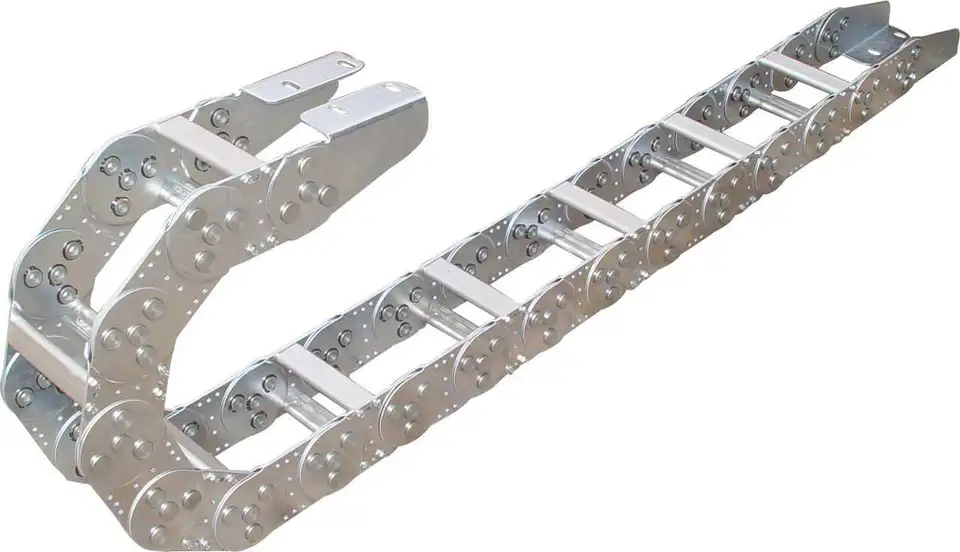
Can drag chains be used in the automotive and transportation sectors?
Yes, drag chains can be used in the automotive and transportation sectors for various applications that involve cable management and protection. In these industries, drag chains play a crucial role in ensuring the reliable and safe operation of cables, wires, and hoses used in vehicles and transportation systems.
In the automotive sector, drag chains are commonly used in modern vehicles, including cars, trucks, buses, and specialty vehicles. They are employed to organize and protect cables and hoses that control various systems such as engine components, sensors, lighting, and braking systems. Drag chains help prevent cables from getting tangled, pinched, or damaged during the vehicle’s movement, ensuring consistent and smooth operation of the electrical and mechanical systems.
In the transportation sector, drag chains are used in a wide range of applications, including trains, trams, subways, and other mass transit systems. They are used to manage and protect cables and hoses that control vital functions such as propulsion systems, doors, HVAC systems, communication systems, and more. Drag chains in these applications must be durable, reliable, and able to withstand the continuous movement and harsh environmental conditions experienced in transportation settings.
Drag chains used in the automotive and transportation sectors are designed to withstand various challenges, including high vibration, temperature fluctuations, exposure to dust and dirt, and continuous flexing during vehicle operation. They are typically made from materials such as plastic, metal, or hybrid materials to offer the necessary strength and flexibility required for the specific application.
Overall, drag chains are essential components in the automotive and transportation sectors, ensuring proper cable management, protecting cables from wear and damage, and contributing to the overall safety, efficiency, and reliability of vehicles and transportation systems.
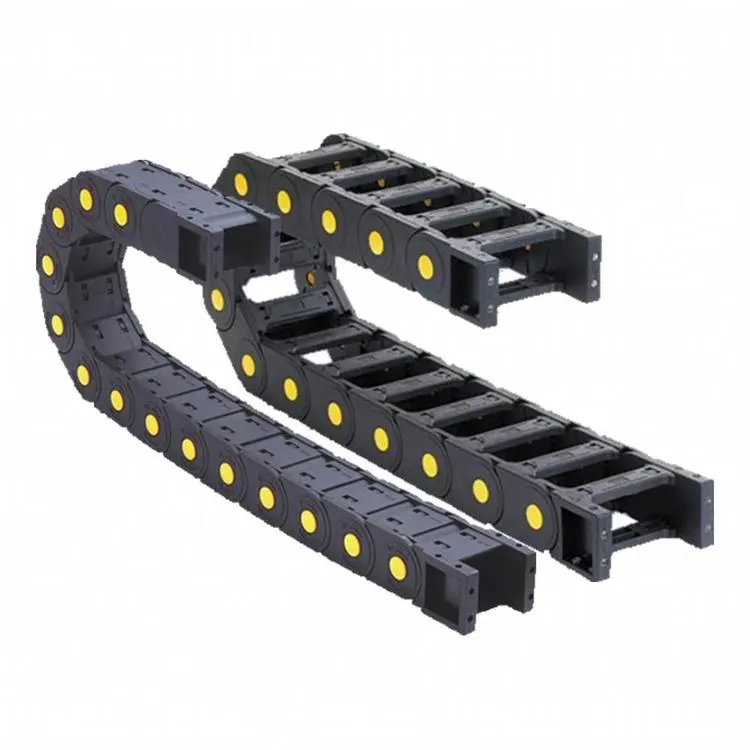
What are the environmental considerations when using drag chains?
When using drag chains, several environmental considerations need to be taken into account to ensure optimal performance and longevity. Drag chains, also known as cable carriers or energy chains, are used in various industrial applications and can be exposed to a wide range of environmental conditions. Some key environmental considerations include:
- Dust and Debris: Drag chains used in dusty environments, such as mining or construction sites, can accumulate debris over time. Regular cleaning and maintenance are essential to prevent abrasive particles from causing excessive wear and tear on the cables and hoses within the chain.
- Moisture and Water: In outdoor or wet environments, drag chains may be exposed to moisture, rain, or water splashes. It’s crucial to select drag chains made from materials that are resistant to corrosion and can withstand exposure to water without compromising performance.
- Chemical Exposure: Some industrial settings, such as chemical processing plants, may expose drag chains to harsh chemicals. Using drag chains with chemical-resistant materials is necessary to prevent degradation or chemical reactions that could affect the chain’s integrity.
- Temperature Extremes: Drag chains used in extreme temperatures, whether high or low, must be made from materials capable of maintaining their properties in those conditions. Extreme heat or cold can impact the flexibility and strength of the chain.
- UV Radiation: Outdoor applications may expose drag chains to UV radiation from sunlight, which can cause degradation of certain materials over time. UV-resistant drag chains are essential for maintaining performance and longevity in such environments.
- Space Limitations: In some applications, there may be limited space available for installing drag chains. It’s essential to consider the size and design of the chain to ensure proper cable and hose management without compromising other components or creating unnecessary strain.
Choosing the right type of drag chain, with appropriate materials and design features, is crucial to address the specific environmental challenges of each application. Regular maintenance and inspections are also essential to identify and address any issues that may arise due to environmental exposure, ensuring the drag chains continue to function effectively and protect cables and hoses from damage throughout their operational life.
What materials are drag chains typically made of to ensure durability?
Drag chains are typically made of various materials that are carefully chosen to ensure durability and longevity in industrial applications. The choice of materials depends on factors such as the application’s environment, load capacity requirements, and the type of cables or hoses they will be carrying. Some common materials used in drag chain construction include:
1. Plastic (Polymer): High-quality engineering plastics, such as nylon, polypropylene, or polyethylene, are commonly used for lightweight and low-cost drag chains. These plastic chains offer excellent resistance to corrosion, chemicals, and moisture, making them suitable for a wide range of industrial environments.
2. Steel: Drag chains made of steel are known for their high strength and durability, making them ideal for heavy-duty applications and environments with high impact or abrasive conditions. Steel chains are capable of carrying heavy loads and provide superior protection for cables and hoses.
3. Stainless Steel: For applications requiring additional resistance to corrosion and chemicals, stainless steel drag chains are preferred. They are especially useful in industries where exposure to harsh environments or frequent washdowns is common, such as food processing, pharmaceuticals, and outdoor applications.
4. Aluminum: Aluminum drag chains offer a lightweight alternative to steel while still providing sufficient strength for many industrial applications. They are often used in applications where weight reduction is essential, such as in robotics and automation systems.
5. Hybrid Chains: Some drag chains feature hybrid designs, combining multiple materials to optimize performance. For example, a drag chain might have a plastic body with reinforced steel or stainless steel links for added strength and rigidity.
Overall, the choice of material for a drag chain depends on the specific requirements of the application, including the load capacity, environmental conditions, and the need for resistance to corrosion, chemicals, and other external factors. By selecting the appropriate material, drag chains can ensure durability and reliable cable protection in a wide range of industrial settings.


editor by CX 2023-08-02