Product Description
Product Description
Welded Steel Drag Chain and Conveyor Chain, with alloy steel according to your requirement
1. Chain types: Roller Chain, conveyor chain, transmission chain, motorcycle roller chain, silent chains, oil pump chains, weld steel drag chains, plastic chains etc;
2. Main materials: It is 40Mn. 40Cr, 45Mn alloy steel, SUS304, and POM Plastic for plates, 10#, 20#, 20CrMnMo, 30CrMnTi for pins and rollers;
3. Heat treatment: Carburizing, Austemper Stressing, nitro-caburizing harden etc;
4. Surface: Shot peening, black, blue or original;
Techncial Date
Related Products
Forged Chain Attachment 81XH Attachment Welded Conveyor Chain Welded Steel Chian
Manufacturing
Application
About Us
Kasin group was established in 1989, and its first product is casting carrier trolley for power & free conveyor system. In 1995, CZPT purchased HangZhou Guoping Forging Factory (LYGP), a marketer of forging bolts & nuts to power & free line market in china. With this acquisition, CZPT positioned itself as 1 of major parts suppliers of monorail and power & free conveyor system in china.
In 2
Http://kasinchain
| Material: | Steel |
|---|---|
| Structure: | Welded Chain |
| Surface Treatment: | Polishing |
| Chain Size: | P:203.20 |
| Feature: | Fire Resistant, Oil Resistant, Heat Resistant |
| Pin Diameter: | 22.23mm |
| Samples: | US$ 50/Meter 1 Meter(Min.Order) | |
|---|
| Customization: | Available | Customized Request |
|---|
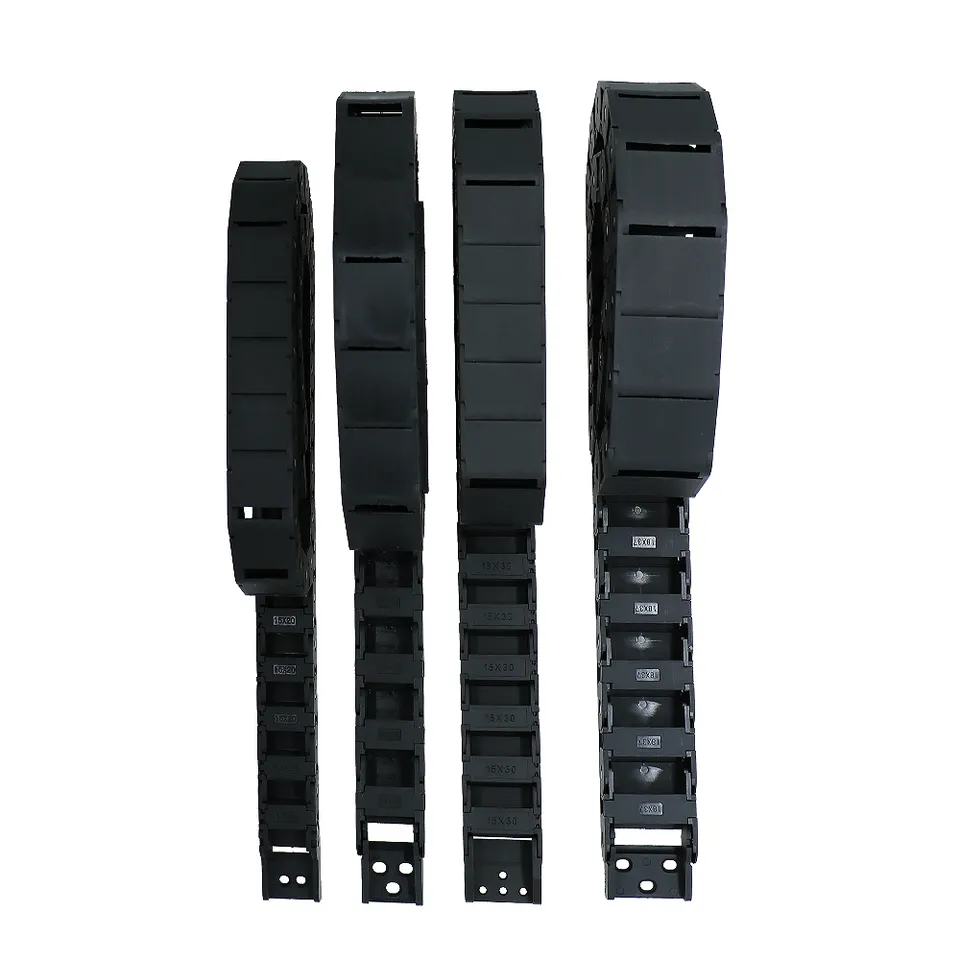
What are the benefits of using a steel drag chain in heavy-duty applications?
Steel drag chains offer several advantages when used in heavy-duty applications, where ruggedness and durability are essential. Here are the benefits of using steel drag chains:
- High Strength: Steel is known for its exceptional strength and load-bearing capacity, making it suitable for handling heavy loads and withstanding the stresses of demanding industrial environments.
- Resistance to Abrasion: In heavy-duty applications, there can be abrasive materials or rough surfaces that the drag chain may come into contact with. Steel drag chains have excellent abrasion resistance, ensuring a longer service life even in harsh conditions.
- Temperature Resistance: Steel drag chains can handle high-temperature environments, making them suitable for applications where exposure to heat or extreme temperatures is common.
- Corrosion Resistance: Steel drag chains are often coated or treated to enhance their resistance to corrosion, protecting them from moisture, chemicals, and other corrosive substances.
- Longevity: Due to their robust construction and resistance to wear, steel drag chains have a longer operational life compared to chains made from other materials.
- Reliability: In heavy-duty applications, reliability is crucial to prevent downtime and costly interruptions in production. Steel drag chains provide a reliable and consistent performance under heavy loads and demanding conditions.
- Wide Range of Sizes: Steel drag chains are available in various sizes and configurations, allowing them to be tailored to specific heavy-duty applications and equipment.
Overall, using a steel drag chain in heavy-duty applications can improve the efficiency and safety of the equipment, reduce maintenance requirements, and contribute to a more productive and reliable industrial operation.

Can drag chains be used in material handling and conveyor systems?
Yes, drag chains are commonly used in material handling and conveyor systems across various industries. They play a critical role in efficiently managing and protecting cables, hoses, and other components that are essential for the operation of these systems. Here’s how drag chains are utilized in material handling and conveyor applications:
Cable Protection:
In material handling and conveyor systems, there are often multiple cables and hoses that need to be routed from one part of the system to another. Drag chains provide an enclosed and protected pathway for these cables, shielding them from potential damage due to movement, friction, or exposure to external elements.
Smooth Cable Movement:
Conveyor systems involve continuous movement, and the cables within them need to move smoothly without getting entangled or causing interference. Drag chains facilitate the smooth movement of cables, ensuring that they can extend and retract as needed without hindrance.
Preventing Downtime:
By protecting cables and hoses, drag chains minimize the risk of cable damage and subsequent downtime in material handling and conveyor systems. Damaged cables can lead to costly repairs and production delays, but with drag chains, the risk of such incidents is significantly reduced.
Adapting to Conveyor Movement:
Conveyor systems often involve varying movement patterns, such as inclines, declines, or curves. Drag chains are flexible and can adapt to these changes in conveyor direction, allowing the cables within to move freely and without strain.
Supporting Multiple Cables:
In material handling and conveyor systems, multiple cables and hoses are required to power and control various components. Drag chains can accommodate multiple cables in separate compartments, preventing them from becoming tangled and simplifying maintenance and troubleshooting.
Reducing Wear and Tear:
Continuous operation and repetitive motion in material handling and conveyor systems can cause wear and tear on cables. Drag chains protect the cables, extending their lifespan and reducing the need for frequent replacements.
Resistance to Harsh Environments:
Material handling and conveyor systems may operate in harsh environments with dust, dirt, moisture, and other contaminants. Drag chains are designed to withstand these conditions, ensuring the longevity and reliable performance of the cables within.
In summary, drag chains are indispensable components in material handling and conveyor systems, providing cable protection, ensuring smooth movement, and contributing to the overall efficiency and reliability of these systems in various industrial settings.
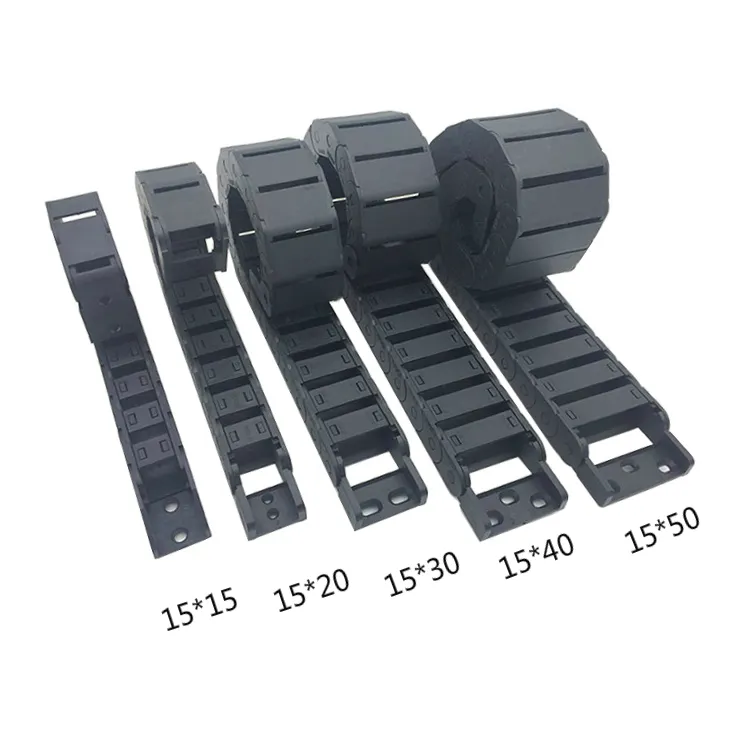
Can drag chains be used in robotic systems and automated machinery?
Yes, drag chains are commonly used in robotic systems and automated machinery to manage and protect cables and hoses. Robotic systems and automated machinery often require a complex network of cables and hoses to power and control the various moving parts and components. Drag chains offer a reliable solution for organizing and guiding these cables, ensuring smooth and efficient operations.
Benefits of using drag chains in robotic systems and automated machinery:
1. Cable Protection: Drag chains enclose and protect cables and hoses from external elements such as dust, debris, and mechanical stress. This protection prevents cable damage, extends their lifespan, and reduces the risk of costly downtime due to cable failures.
2. Cable Management: With a drag chain, cables are neatly organized and guided along a predefined path, reducing the chances of tangling or snagging during the robotic or machine movements. This organized cable management contributes to smoother and more precise operations.
3. Flexibility and Range of Motion: Drag chains are designed to flex and bend, allowing the cables to move freely with the robotic arm or machinery. This flexibility ensures that the cables can follow the range of motion required without any restrictions.
4. Space Optimization: In robotic systems and automated machinery where space is often limited, drag chains provide a space-efficient solution for cable management. They keep cables contained in a compact manner, optimizing the use of available space.
5. Safety: Drag chains contribute to the overall safety of robotic systems and automated machinery by preventing cable entanglement or tripping hazards. The organized cable management reduces the risk of accidents and ensures a safer working environment.
6. Increased Reliability: Reliable cable management provided by drag chains leads to improved overall system reliability. The reduced wear and tear on cables, along with the protection from external factors, result in more dependable and long-lasting performance.
7. Easy Installation and Maintenance: Drag chains are designed for easy installation and maintenance. Cables can be easily added or removed from the chain as needed, simplifying the maintenance process.
In summary, drag chains are essential components in robotic systems and automated machinery, ensuring efficient cable management, protection, and safety. They contribute to the smooth operation and longevity of these systems, making them widely used in a variety of industrial applications.


editor by CX 2023-08-21